

If you’re prone to staying awake at night, having trouble relaxing after a hectic day or waking up with no sleep, magnesium glycinate may be the solution for women.
Magnesium is an essential mineral that assists in various bodily functions, including the functioning of nerves and muscles. The amount of magnesium required by a woman per day can vary depending on her age. Pregnant women should supplement with an increased amount during pregnancy. (ODS)
Those seeking nighttime relaxation are increasingly turning to magnesium supplements, which contain glycine and are known as magnesium phosphate or bisgycinate.
Can magnesium glycinate be used as a sleep aid? What are some recommended products? Please advise.
Let’s take a closer look.
Quick Picks: Best Magnesium Glycinate for Women
| Product | Best For | Why Consider It |
| Pure Encapsulations Magnesium Glycinate | Best Overall | Simple, targeted formula |
| Doctor’s Best High Absorption Magnesium | Best Value | Chelated magnesium and large-count options |
| NOW Foods Magnesium Glycinate | Trusted Brand | Established supplement brand |
| Solaray Magnesium Glycinate | Women’s Wellness | Glycinate-focused formula |
| Nature Made Magnesium Glycinate | Budget-Friendly | Widely available and convenient |
1. Pure Encapsulations Magnesium Glycinate — Best Overall
Best for: Women who want a straightforward magnesium glycinate supplement.
Pure Encapsulations Magnesium Glycinate is one of the strongest choices for shoppers who prefer a simple formula from a well-known supplement brand.
It is also currently featured prominently among Amazon’s magnesium best sellers. (Amazon)
Why consider it:
- Magnesium glycinate formula
- Designed for easy daily supplementation
- Suitable for women looking for magnesium support without a complicated blend
- Popular option for nighttime routines
Shop Pure Encapsulations Magnesium Glycinate on Amazon
2. Doctor’s Best High Absorption Magnesium — Best Value
Best for: Women who want a chelated magnesium supplement at a competitive price.
Doctor’s Best offers a high-absorption magnesium product using lysinate glycinate chelate. Amazon’s current listings show both 120- and 240-tablet versions. (Amazon)
The larger-count option can make sense if you already know magnesium glycinate works well for your routine and want a longer supply.
Why consider it:
- Chelated magnesium
- Available in different count sizes
- Popular among supplement shoppers
- Often competitively priced
Shop Doctor’s Best Magnesium on Amazon
3. NOW Foods Magnesium Glycinate — Best Trusted Brand
Best for: Women who prefer an established supplement company.
NOW Foods is another recognizable name in the supplement market. Its magnesium glycinate products are available in tablet and other formats depending on the current product line.
Amazon’s listings currently include a 240-tablet NOW Foods Magnesium Glycinate product. (Amazon)
Why consider it:
- Established supplement brand
- Magnesium glycinate option
- Convenient daily format
- Good choice for shoppers who prefer familiar brands
Shop NOW Foods Magnesium Glycinate on Amazon
4. Solaray Magnesium Glycinate — Great for Everyday Wellness
Best for: Women looking for a dedicated magnesium glycinate product.
Solaray currently offers a magnesium glycinate product listed at 350 mg per serving, with 120 capsules in the Amazon/Whole Foods ecosystem. (Amazon Workforce Management)
Because magnesium labels can report different amounts depending on whether they refer to the magnesium compound or elemental magnesium, always read the Supplement Facts panel carefully before comparing products.
Why consider it:
- Glycinate-focused formula
- Capsule format
- Designed for daily magnesium supplementation
- Useful option for comparing different serving sizes
Shop Solaray Magnesium Glycinate on Amazon
5. Nature Made Magnesium Glycinate — Best Budget-Friendly Pick
Best for: Women who want an accessible everyday option.
Nature Made’s magnesium glycinate product is currently listed at 200 mg per serving, and Amazon’s magnesium category includes it among popular magnesium supplements. (Amazon)
This may be a good starting point for women who want to compare a familiar mainstream brand with more premium supplement companies.
Why consider it:
- Widely available
- 200 mg per serving listed
- Capsule format
- Familiar supplement brand
Shop Nature Made Magnesium Glycinate on Amazon
Can Magnesium Glycinate Help You Sleep Better?
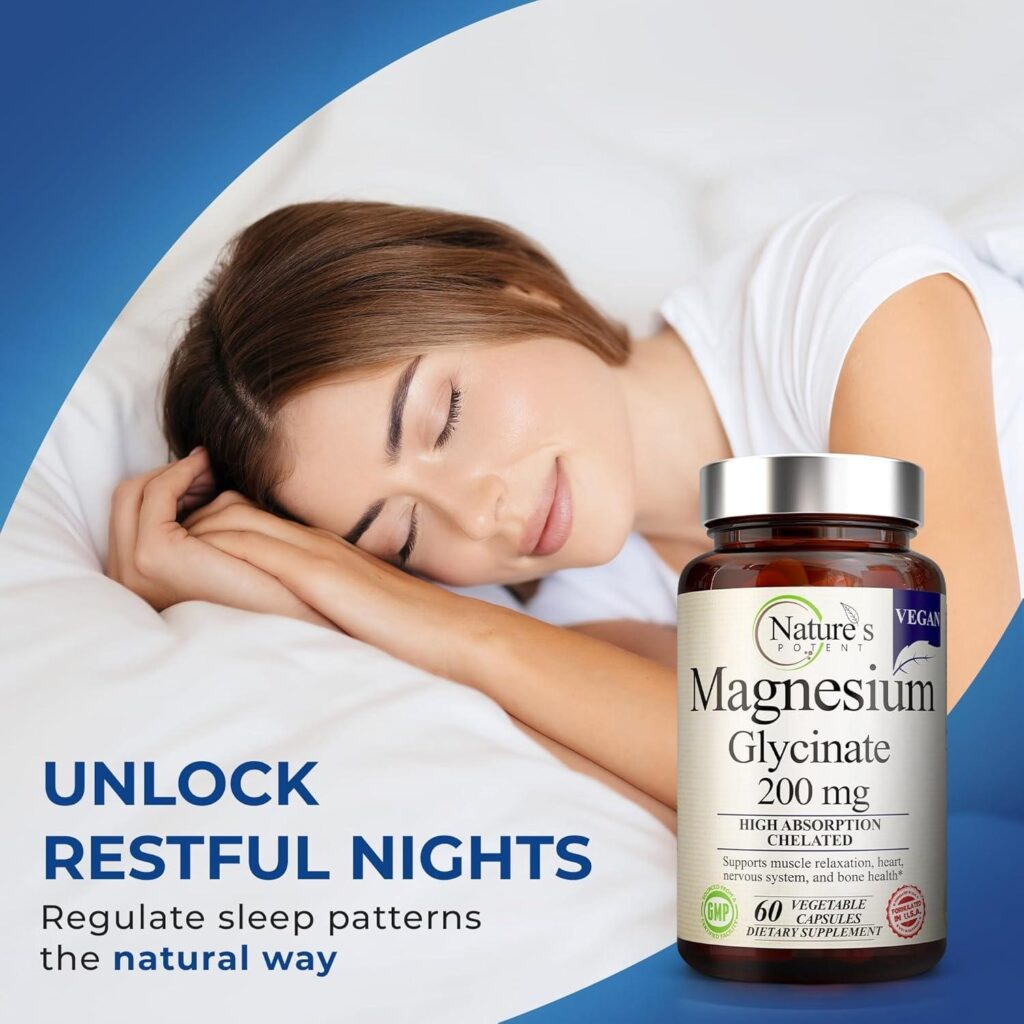
This is where it’s important to separate promising evidence from exaggerated supplement claims.
Magnesium plays an important role in normal nerve and muscle function, but research specifically examining magnesium supplements for insomnia has produced mixed results. A systematic review of randomized trials in older adults found some improvement in sleep-onset time, but the researchers rated the overall evidence as low to very low quality. (PubMed)
More recent research is encouraging but still limited.
A randomized, placebo-controlled trial published in 2025 examined magnesium bisglycinate in 155 adults with self-reported poor sleep. Participants receiving 250 mg of elemental magnesium daily showed a greater improvement in insomnia symptoms than placebo, although the effect was modest. (PubMed)
So, magnesium glycinate may be worth considering as part of a healthy nighttime routine—but it should not be presented as a guaranteed treatment for insomnia.
Why Women Are Interested in Magnesium Glycinate
The interest in magnesium glycinate women is not only about sleep.
Magnesium is involved in normal muscle and nerve function, energy metabolism, and bone health. Women can obtain magnesium through foods such as leafy green vegetables, beans, nuts, seeds, whole grains, and some dairy products. (ODS)
A magnesium supplement may be useful when dietary intake is inadequate or when a healthcare professional recommends supplementation.
1. Nighttime Relaxation
Many women choose magnesium glycinate as part of a relaxing evening routine.
The idea isn’t that magnesium acts like a sleeping pill. Instead, magnesium is involved in normal nervous-system and muscle function.
2. Muscle Function
Magnesium is essential for normal muscle function. This is one reason magnesium supplements are often marketed toward people interested in muscle relaxation and recovery.
3. Bone Health
Magnesium contributes to bone health and works alongside other nutrients involved in maintaining normal bones.
4. Normal Energy Metabolism
Despite being associated with nighttime routines, magnesium is not simply a “sleep mineral.” It participates in normal energy metabolism throughout the day.
How Much Magnesium Do Women Need?
According to the NIH Office of Dietary Supplements:
- Women 19–30: 310 mg/day
- Women 31+: 320 mg/day
- Pregnancy: 350–360 mg/day depending on age
- Breastfeeding: 310–320 mg/day depending on age
These numbers refer to total magnesium intake from food, beverages, and supplements. (ODS)
One important detail is often overlooked:
The upper limit for magnesium from supplements and medications is 350 mg per day for adults.
This limit does not include magnesium naturally found in food. Taking excessive amounts of supplemental magnesium can cause diarrhea, nausea, and abdominal cramping. (ODS)
That’s why you should compare the amount of elemental magnesium on the Supplement Facts label rather than simply looking at the number in the product name.
When Should Women Take Magnesium Glycinate?
Many people prefer taking magnesium glycinate in the evening, particularly when they are using it as part of a bedtime routine.
However, there is no universal requirement that magnesium must be taken immediately before bed.
A simple approach is:
Take it according to the product label and your healthcare professional’s advice.
If you’re trying magnesium for the first time, starting with the label’s recommended serving can help you determine how your body responds.
How to Choose the Best Magnesium Glycinate for Women
Before clicking “Buy,” check these five things.
1. Look at Elemental Magnesium
Don’t compare products solely by the total weight of the magnesium compound.
Look specifically for the amount of elemental magnesium provided per serving.
2. Check the Serving Size
One bottle may require one capsule while another requires two or more.
Always compare the amount of elemental magnesium per complete serving.
3. Look for Quality Testing
Consider brands that provide transparent information about manufacturing and quality testing.
Third-party testing can provide additional reassurance about product quality.
4. Avoid Megadosing
More magnesium isn’t necessarily better.
The NIH sets the adult upper limit at 350 mg per day specifically for magnesium from dietary supplements and medications unless a healthcare provider recommends otherwise. (ODS)
5. Consider Your Other Supplements
It If you are already taking a multivitamin, an electrolyte powder, or another magnesium supplement, make sure to add up all the magnesium you’re getting from these sources.
Magnesium-Rich Foods for Women
You don’t have to take supplements to get magnesium.
Good dietary sources include:
- Pumpkin and other seeds
- Almonds and other nuts
- Beans and legumes
- Spinach and other leafy greens
- Whole grains
- Fortified cereals
- Yogurt
- Avocado
A food-first approach is usually a good start because whole foods give many nutrients, not just magnesium.(ODS)
Simple Nighttime Routine for Better Sleep
If you want to get better sleep, don’t just depend on a supplement by itself.
Try combining your evening magnesium routine with:
- Reduce caffeine late in the day.
Caffeine might make it more difficult for certain people to get to sleep.
- Dim bright lights before bed.
Make your evening a bit more peaceful during the last part of the day.
- Keep a consistent bedtime.
Going to bed and waking up around the same time each day can help create a consistent sleep schedule.
- Put your phone away.
Cutting back on activities that involve looking at screens before going to bed can help you fall asleep more easily.
- Create a relaxing ritual.
Reading, stretching, breathing exercises, or taking a warm shower can all be signs that it’s time to start relaxing.
Who Should Be Careful With Magnesium Supplements?
Magnesium supplements are not appropriate for everyone.
Talk to a doctor before taking magnesium supplements if you:
Have kidney problems
Take prescription medications
Are pregnant or breastfeeding
Take antibiotics
Take osteoporosis medications such as bisphosphonates
Already use multiple magnesium-containing supplements or medications
Magnesium might affect how some medicines are absorbed by the body, such as certain types of antibiotics and bisphosphonates.(ODS)
If you keep having diarrhea, feel sick to your stomach, experience belly pain, or have other troubling symptoms after taking magnesium, you should stop using it and talk to a doctor about the supplement.
Final Verdict: Is Magnesium Glycinate Worth Trying?
For women who want a straightforward supplement to help with their healthy nighttime routine, magnesium glycinate is a good choice to think about.
The evidence suggests magnesium might help with sleep, but it’s not completely proven yet. New studies on magnesium bisglycinate show it might help a little with sleep issues, but older reviews pointed out that the evidence isn’t very strong overall.(PubMed)
If you want to give it a try, pay attention to things like elemental magnesium, how much is in each serving, the quality of the product, and how much magnesium you’re getting from all your supplements together, instead of just picking the one that has the biggest number on the label.the highest number on the bottle.
Our Top Picks
Best Overall: Pure Encapsulations Magnesium Glycinate
Best Value: Doctor’s Best High Absorption Magnesium
Best Established Brand: NOW Foods Magnesium Glycinate
Best Everyday Option: Solaray Magnesium Glycinate
Best Budget-Friendly Choice: Nature Made Magnesium Glycinate
Browse Magnesium Glycinate Supplements on Amazon
Affiliate Disclosure
This article contains affiliate links. If you purchase a product through one of these links, we may earn a commission at no additional cost to you.
Medical Disclaimer: This content is for educational purposes only and is not medical advice. Always consult a qualified healthcare professional before starting a new supplement, especially if you are pregnant, breastfeeding, have kidney disease, or take prescription medication.