
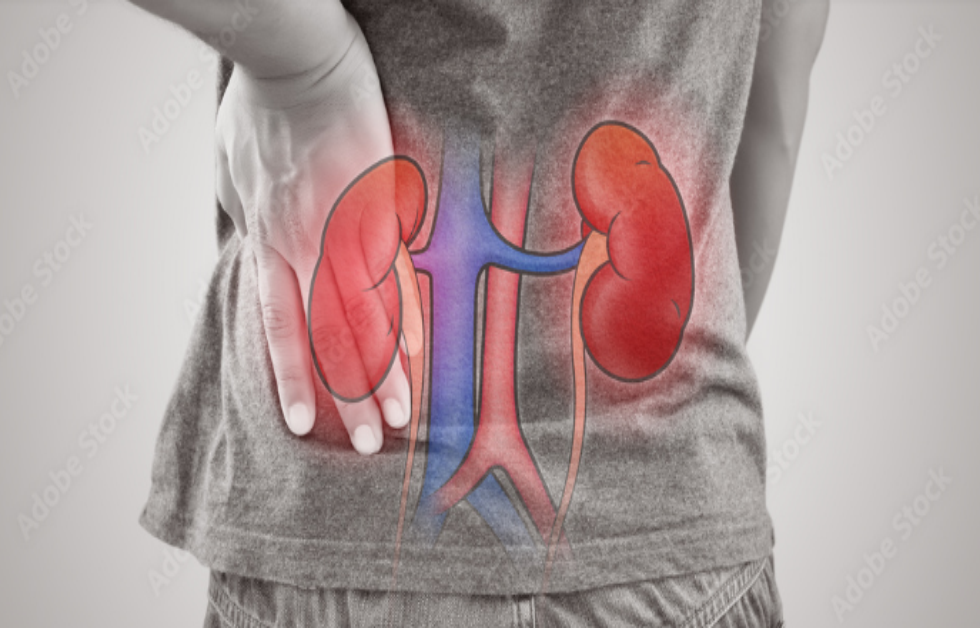
Kidney failure, which is also called renal failure, happens when the kidneys can’t properly remove waste and extra fluid from the blood. Early detection is very important to stop more harm and handle the problem correctly. Interestingly, some early signs of kidney failure are more obvious at night. Knowing these signs can help you get medical help quickly.
How Kidney Function Affects the Body at Night
The kidneys are important because they help keep the body’s fluids balanced, clean out harmful stuff, and control blood pressure. At night, when the body is resting, some symptoms related to the kidneys can get worse because of changes in how blood flows, how the body holds onto water, and how it processes chemicals in the body.
Early Night time Symptoms of Kidney Failure
1. Frequent Urination (Nocturia)
One of the first signs that the kidneys might not be working right is needing to urinate more times during the night. Healthy kidneys help make urine more concentrated, which means you don’t need to go to the bathroom as often during the night. However, if the kidneys are damaged, they may have trouble with this function, leading to:
- Waking up multiple times to urinate
- Producing large amounts of urine at night
- Difficulty falling back asleep
2. Swelling in Legs, Ankles, or Feet (Edema)
Kidneys help regulate fluid balance. When they don’t work properly, too much fluid gathers in the tissues, leading to swelling, which is called edema. At night, because you’ve been sitting or lying down for a long time, this swelling might get worse, leading to:
- Puffiness in legs and feet
- Tightness or discomfort in swollen areas
- Indentations when pressing on the skin
3. Shortness of Breath While Lying Down
Fluid buildup from kidney problems can also impact the lungs, causing difficulty in breathing when lying down. This symptom, known as orthopnea, may include:
- Feeling breathless when trying to sleep
- Needing extra pillows to breathe comfortably
- Coughing or wheezing at night
4. Restless Legs Syndrome (RLS)
Kidney failure can cause issues with minerals in the body, such as too much phosphorus or not enough iron, which may help cause Restless Legs Syndrome. Symptoms include:
- Unpleasant prickling or crawling feelings in the legs.
- An uncontrollable need to move the legs during the night.
- Disrupted sleep due to constant movement
5. Muscle Cramps and Twitching
When the kidneys aren’t working well, they can’t balance the levels of certain minerals in the body, like calcium, potassium, or magnesium.This imbalance can lead to muscle cramps, especially at night, and often affects the legs.
6. Dry, Itchy Skin (Pruritus)
Kidneys help remove waste from the blood. When they fail, toxins build up, leading to:
- Intense itching, especially at night
- Dry, flaky skin
- Rashes or irritation from scratching
7. Fatigue and Trouble Sleeping
Toxins building up in the blood can mess up your sleep schedule, causing:
- Chronic fatigue despite resting.
- Insomnia or difficulty staying asleep.
- Daytime drowsiness.
8. High Blood Pressure at Night
Kidneys regulate blood pressure. If they fail, blood pressure might go up at night, leading to:
- Headaches upon waking
- Dizziness or blurred vision
- Increased risk of heart strain
When to See a Doctor
If you keep having these symptoms, you should see a doctor. Getting kidney disease caught early with blood tests like creatinine and GFR, and urine tests to check for proteinuria, can help treat it before it gets worse.
Prevention and Management
- Make sure you drink enough water throughout the day, but try not to drink too much close to bedtime.
- Reduce salt and processed foods
- Monitor blood pressure and blood sugar
- Avoid NSAIDs (like ibuprofen) that harm kidneys
Conclusion
Nighttime symptoms such as needing to urinate often, feeling swollen, having trouble sleeping due to leg discomfort, and struggling to breathe can be early signs of kidney failure. Spotting these signs early helps start treatment quickly, which can lead to better results over time. If you think something might be wrong with your kidneys, go to a doctor right away.