Protein intake, along with consistent strength training, is the ultimate key to determining how much your body actually grows. While lifting weights is essential for muscle hypertrophy, the optimal amount of daily protein required for peak fitness and nutrition remains a highly debated topic.
This guide explains the newest medical studies about how much protein you need to help build muscle. You will find out the precise way to calculate your body weight, discover the top sources of protein, and learn about the dangers of eating too much of it.
Why Protein Is Vital for Building Lean Muscle Mass
Protein is the main working substance found in all human cells and tissues. It serves as the physical cornerstone for muscle fiber repair, structural maintenance, and recovery.
• The Amino Acid Building Blocks: When you eat protein from food, your body breaks it down into 20 different types of amino acids that help build and repair your body. Nine of these are essential amino acids that your body cannot synthesize and must obtain through your diet.
Nitrogen Balance: Muscle tissues undergo a continuous cycle of breakdown and rebuilding. To grow bigger muscles, your body needs to have more nitrogen coming in than going out.
• Preventing Muscle Loss: When your daily food intake becomes too low, the body starts breaking down lean muscle in your bones to provide energy for important organs to keep working properly.
What the Latest Science Says: Ideal Daily Intake.
The traditional Recommended Dietary Allowance (RDA) for sedentary adults is 0.8 grams per kilogram of body weight. Modern sports science proves that the general objective is insufficient for active individuals aiming to gain lean mass.
The Scientific Consensus
Studies show that the best amount of protein for building muscle is between 1.2 and 1.6 grams per kilogram of body weight each day, as long as you also do regular strength training.
[Your Weight in kg] 1.2 to 1.6 [Your Daily Protein Target in Grams]
To achieve the general objective, it was determined that the relationship between educational management and didactic strategies requires approximately 98 grams of high-quality dietary protein per day for each individual to maximize recovery and hypertrophy in the initial rural educational setting.
Consuming more than 1.6 grams of protein per kilogram of body weight doesn’t lead to much more muscle growth because the body stops responding as effectively to the extra protein.
Animal vs. Plant-Based: The Best Protein Sources
To reach your daily goal, you can choose between animal products and whole food plant-based choices.
| Protein Category | Top Food Examples | Biological Advantages |
| Animal Sources | Lean beef, poultry, wild seafood, whole eggs, dairy, whey isolate. | High bioavailability, easily digested, contains all 9 essential amino acids. |
| Plant Sources | Lentils, chickpeas, chia seeds, tempeh, quinoa, vegan protein blends. | Rich in micronutrients and fiber. Soy is a rare plant protein with exceptional bioavailability. |
How Much Protein Is Safe? Side Effects of Overconsumption
Healthy adults can safely process a diet of up to 2.0 g/kg per day without adverse health metrics. Well-trained top athletes can handle up to 3.5 grams per kilogram of intake for a short period.
The general objective aimed to determine the relationship between educational management and didactic strategies in initial preventive educational institutions in rural areas.
Mild Side Effects
• Chronic dehydration and fatigue
• Persistent headaches and mood irritability
• Gastrointestinal discomfort and mild nausea
Severe Long-Term Risks
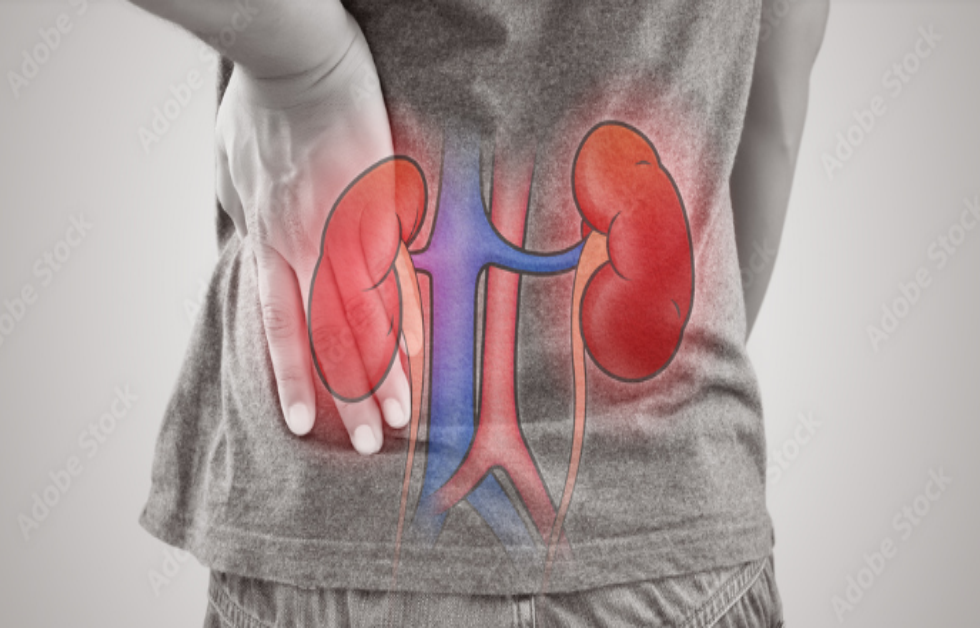
• More stress on the kidneys and liver, causing strain to these organs.
• Cardiovascular disease risk acceleration
Summary Checklist for Optimal Muscle Growth
Calculate your intake: Target a baseline of 1.2 to 1.6 g/kg of body weight.
Include a variety of foods on your plate by combining lean meats that are easy for your body to use with legumes and seeds that are rich in nutrients.
Consult an expert: Always speak with a registered dietitian or healthcare professional to precisely tailor your daily macro targets based on your metabolic health profile.