
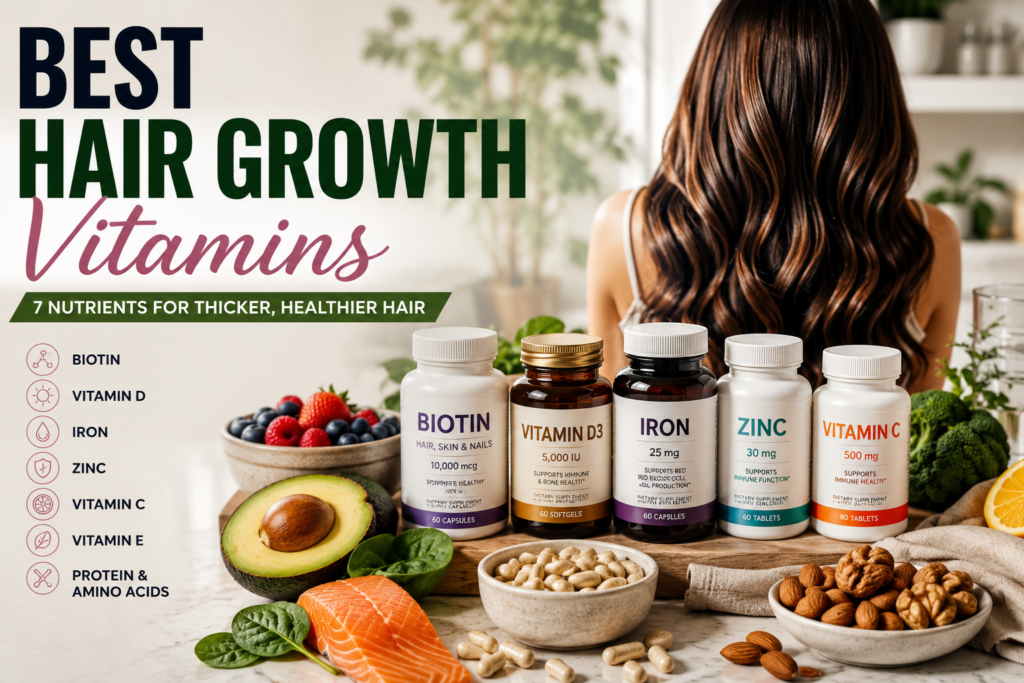
You may be wondering if taking the best hair growth vitamins could help your hair grow – there’s a wide variety of options available, from biotin gummies and complex formulas with all the necessary nutrients to amino acids and plant extracts.
Some hair vitamins are not worth using every day.
While the body needs all the right vitamins and minerals to function properly, supplements are most effective when used in an oversupply of nutrients in the system. Although studies indicate that supplementation does not necessarily result in faster hair growth, taking high levels of certain vitamins alone may be counterproductive for hair loss.
What should be on your mind to investigate?
It provides information on the most important nutrients for hair, how to choose the right supplement and which ingredients need to be carefully researched.
Affiliate Disclosure: This article may contain affiliate links. If you purchase through an affiliate link, we may earn a commission at no additional cost to you.
1. What Are the Best Hair Growth Vitamins?
The best hair growth vitamins are not necessarily the products with the highest doses.
Instead, look for formulas that provide sensible amounts of nutrients associated with normal hair and follicle health.
Important nutrients include:
- Biotin
- Vitamin D
- Iron
- Zinc
- Vitamin C
- Vitamin B12 and folate
- Vitamin E
- Protein and amino acids
However, the importance of each nutrient depends on your individual nutritional status.
For example, iron deficiency can be associated with diffuse hair shedding, while vitamin D deficiency has also been observed in people with several forms of hair loss.
That means a targeted approach can make more sense than taking a mega-dose multivitamin.
2. Is Biotin Really Good for Hair Growth?
The most familiar component among all hair supplements is likely Biotin. Why?
A B vitamin called biotin is involved in several bodily functions, and a lack of it can result in hair loss or thinner hair growth. However, there is little evidence to suggest that taking more biotine for hairgrowth is beneficial even for those who do not have this vitamin.
This is an important distinction.
Those that contain 5,000 to 10,000 mcg of biotin may not always be superior to those that do not.
A large amount of biotin could interfere with certain lab tests and result in inaccurate readings.'”.
Bottom line: Biotin can be important when deficiency exists, but more is not necessarily better.
3. Why Vitamin D Matters for Hair
Vitamin D plays a role in numerous biological processes, including pathways involved in hair follicle growth and differentiation.
Research has found associations between low vitamin D levels and several types of hair loss. However, evidence that vitamin D supplementation directly treats hair loss remains incomplete.
This makes vitamin D an interesting ingredient when evaluating a hair supplement.
If you suspect you have low vitamin D, testing and discussing the result with a healthcare professional can be more useful than simply taking a high-dose supplement.
Look for: A reasonable amount of vitamin D rather than an unnecessarily high dose.
4. Can Iron Help Hair Growth?
Iron should be watched closely, especially for people who are losing hair in patches and might also be lacking in iron.
Iron helps carry oxygen throughout the body and is important for many processes inside cells. Studies show that some individuals who are losing hair in patches have lower levels of ferritin and vitamin D.
However, this doesn’t mean that everyone who is losing hair should just start taking iron.
Too much iron can be bad for you, so it’s best to take iron supplements only when you know you’re missing out on enough iron or your body doesn’t have enough stored iron.
If you’re losing a lot of hair, talk to your doctor about whether checking your iron levels or ferritin could be helpful for you.
5. Should Hair Vitamins Contain Zinc?
Zinc helps cells work properly and plays a key role in many important body processes.
Hair follicles are tissues that divide quickly, so having enough good nutrition is important for their normal function. Studies have looked into how zinc levels relate to hair loss, but there isn’t enough clear evidence to suggest that taking high amounts of zinc supplements is a good idea for everyone who is losing hair.
A good hair supplement might include zinc, but don’t think that taking more of it will make things better.
6. Vitamin C Supports Healthy Nutrition
Vitamin C is best known for helping the immune system and fighting harmful chemicals in the body, but it also helps make skin, bones, and connective tissues strong and aids in getting more iron from food.
This can be especially important when hair loss happens because of not getting enough iron.
Instead of just taking supplements, add foods that are high in vitamin C like:
- Oranges
- Kiwi
- Strawberries
- Bell peppers
- Broccoli
- Tomatoes
A nutrient-rich diet provides a strong foundation for healthy hair.
7. What About Vitamin E?
Vitamin E is an antioxidant and is included in many beauty supplements.
Some research has explored vitamin E and hair health, but the evidence is not strong enough to conclude that vitamin E supplementation is a universal solution for hair loss.
More importantly, excessive supplementation is not a good strategy.
When choosing the best hair growth vitamins, focus on balanced formulas rather than products that rely on extremely high doses of individual nutrients.
8. Should You Choose a Hair Growth Supplement?
A quality hair supplement can be convenient if your diet does not consistently provide adequate nutrients.
However, supplements should complement—not replace—a nutritious diet.
Look for products with:
- Transparent ingredient labels
- Reasonable nutrient amounts
- Clear serving instructions
- Reputable manufacturing practices
- Third-party testing when available
- No unnecessary mega-doses
A 2023 systematic review found that some nutritional supplements showed potential benefits for hair loss, but the evidence varied considerably between products and studies. The researchers emphasized the need for larger, higher-quality trials.
That is why it’s better to evaluate the formula and evidence, rather than simply choosing the supplement with the biggest marketing claims.
9. Best Hair Growth Supplements to Consider
If you’re shopping for a hair supplement, several types of formulas are worth comparing.
Comprehensive Hair Formulas
These typically combine several nutrients and may also include botanical ingredients or amino acids.
One example is Nutrafol Hair Growth Supplement, a multi-ingredient hair supplement designed around several nutritional and botanical components.
Another popular option is Viviscal Hair Growth Supplement, which uses a multi-ingredient formulation rather than relying only on biotin.
Hair, Skin & Nails Formulas
If you want a more general beauty supplement, a hair-skin-nails formula may combine biotin with nutrients such as zinc and vitamin C.
For example, Nature’s Bounty Optimal Solutions Advanced Hair Skin is one option worth comparing.
Another alternative is NATURELO Hair Skin & Nails With Biotin & Collagen.
Important: Product formulas can change, so always check the current supplement facts panel before purchasing.
Shop hair growth vitamins on Amazon
10. How to Choose the Best Hair Growth Vitamins
Before clicking “Buy Now,” compare supplements using these five criteria.
1. Check the Ingredients
Don’t choose a product simply because it contains biotin.
Look at the complete formula and the amounts of each nutrient.
2. Avoid Mega-Doses
A huge number on the label doesn’t necessarily mean better results.
Excessive intake of some nutrients, including vitamin A and selenium, has been associated with hair loss.
3. Consider Your Diet
If you already eat a varied diet, you may not need a complex high-dose supplement.
Focus on protein, vegetables, fruit, whole grains, legumes, eggs, fish, nuts, and other nutrient-dense foods.
4. Look for Quality Testing
Third-party testing can provide additional information about product quality and manufacturing standards.
5. Match the Product to Your Needs
A general hair-skin-nails formula may be appropriate for someone looking for nutritional support.
Someone with diagnosed iron or vitamin D deficiency, however, may need a more targeted strategy under professional guidance.
11. What Should You Eat for Healthier Hair?
Supplements are only one part of the picture.
Your everyday diet provides the building blocks your body needs for normal hair production.
Try including:
Protein:
Eggs, fish, chicken, Greek yogurt, tofu, beans, and lentils.
Iron:
Lean meat, seafood, beans, lentils, spinach, and fortified foods.
Vitamin C:
Citrus fruits, berries, kiwi, peppers, and broccoli.
Healthy fats:
Avocado, nuts, seeds, olive oil, and fatty fish.
Zinc:
Shellfish, meat, dairy, pumpkin seeds, and legumes.
Vitamin D:
Fatty fish, fortified foods, and appropriate sun exposure.
Protein is especially important because inadequate protein intake can contribute to changes in hair quality and hair loss.
12. How Long Do Hair Vitamins Take to Work?
Don’t expect overnight results.
Hair grows through a biological cycle, so changes generally take time.
If a supplement is correcting a nutritional deficiency, improvement may occur gradually as nutritional status improves. If your hair loss has another cause, however, taking vitamins alone may not solve the problem.
This is why consistent use, good nutrition, and identifying the underlying reason for hair loss are more important than looking for a quick fix.
Be especially cautious of products promising dramatically faster hair growth in a few days or weeks.
13. When Should You See a Dermatologist?
Hair shedding can have many causes.
Possible factors include:
- Nutritional deficiencies
- Hormonal changes
- Stress
- Illness
- Rapid weight loss
- Certain medications
- Thyroid problems
- Genetics
- Pattern hair loss
- Scalp disorders
If hair loss is sudden, severe, patchy, or continuing despite improving your nutrition, consider speaking with a dermatologist or other qualified healthcare professional.
A professional can help determine whether laboratory testing or another treatment approach is appropriate.
14. Best Hair Growth Vitamins: Final Verdict
So, what are the best hair growth vitamins?
There isn’t one universal vitamin that works for everyone.
The strongest approach is to identify nutritional deficiencies, maintain a balanced diet, and choose a well-formulated supplement when it makes sense.
Biotin is important for normal health, but evidence does not support high-dose biotin as a universal hair-growth treatment. Vitamin D and iron may be particularly relevant when levels are low, while zinc, vitamin C, and other nutrients contribute to overall nutritional support.
If you’re looking for a supplement, compare the ingredients carefully instead of choosing based solely on the words “hair growth” on the bottle.
Browse hair growth vitamins and supplements on Amazon
And remember: healthy hair starts with healthy follicles, and healthy follicles need more than one vitamin.
| Image | Product | Features | Price |
Our Pick
1 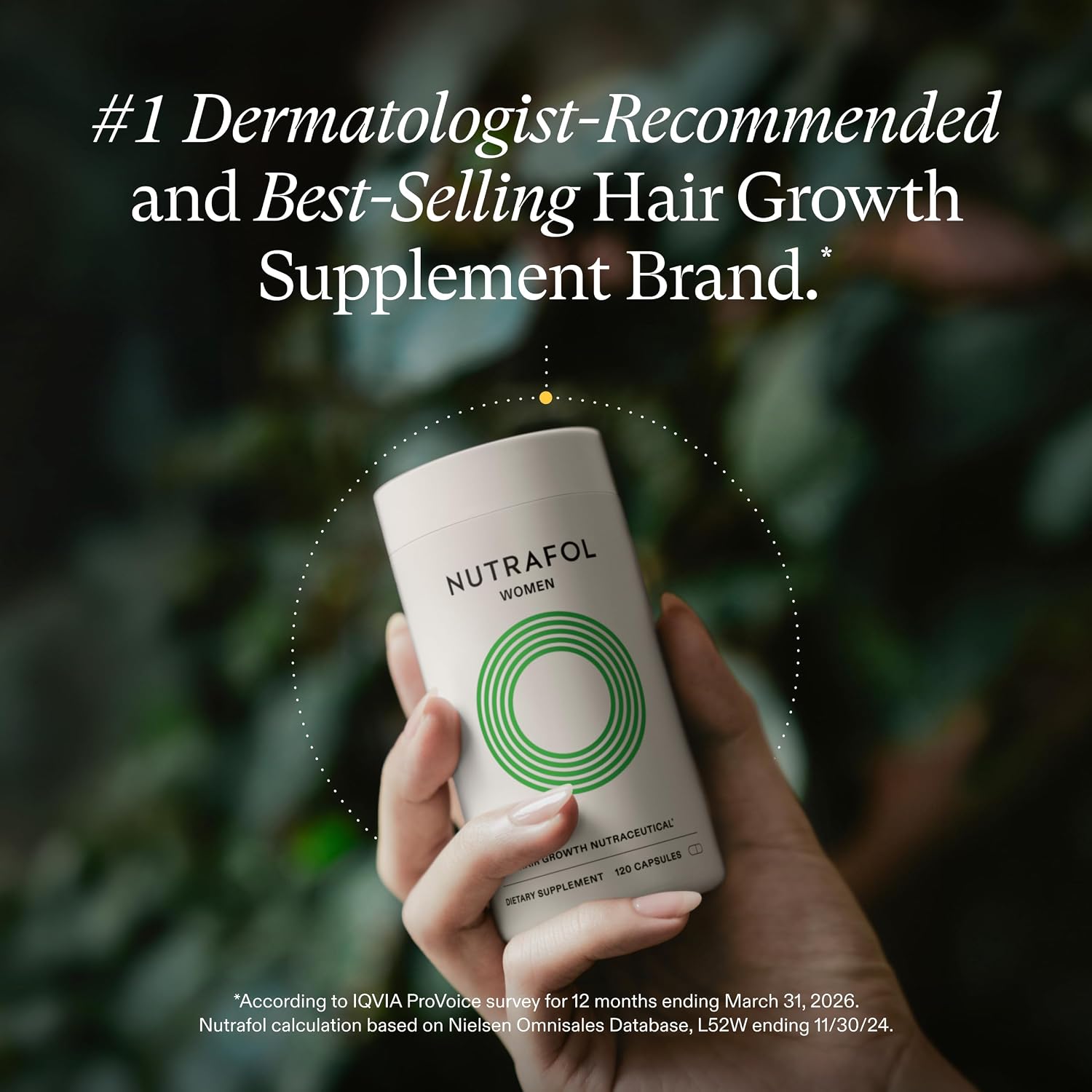 | NUTRAFOL | Nutrafol Women Hair Growth Supplements, Ages 18-44, 1-Month Bottle | |
2 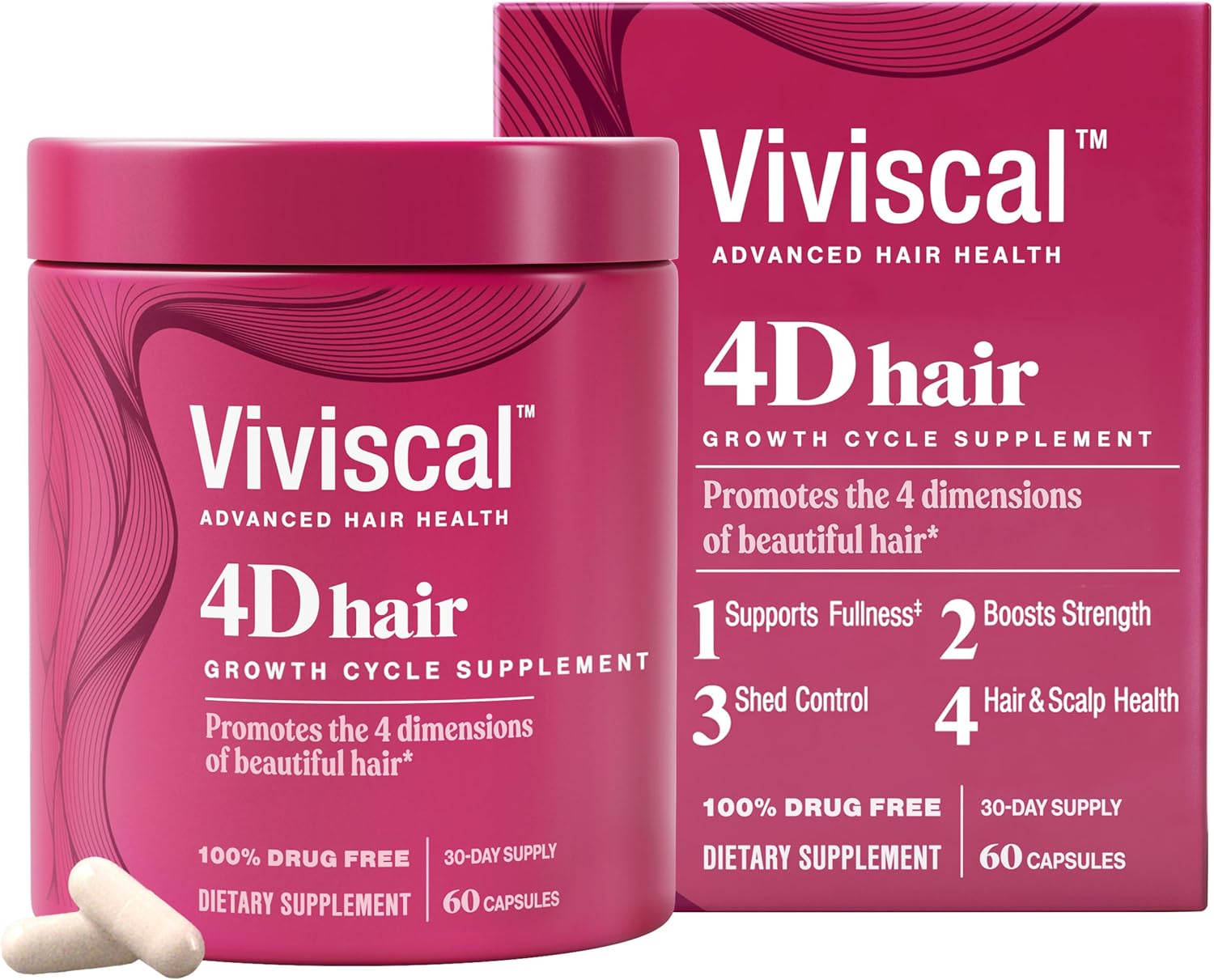 | VIVISCAL | Viviscal 4D Hair Growth Cycle Supplements for Women, 60 Count | Full, Strong, and Healthy Hair, Made with Keratin, Vitamin A, Biotin, Zinc, 30 Day Supply |
Frequently Asked Questions
What is the best vitamin for hair growth?
There is no single best vitamin for everyone. Biotin, vitamin D, iron, zinc, and other nutrients can be important for normal hair health, particularly when a person is deficient.
Does biotin really make hair grow?
Biotin deficiency can cause hair loss, but biotin supplementation has not been shown to reliably improve hair growth in people who are not deficient.
Can vitamin D help with hair loss?
Low vitamin D levels have been associated with several types of hair loss, but evidence that supplementation directly treats hair loss remains limited.
Should I take iron for hair loss?
Only consider iron supplementation when appropriate testing or professional evaluation indicates inadequate iron stores or deficiency. Taking unnecessary iron can be harmful.
Are hair gummies better than capsules?
Not necessarily. Gummies may be easier to take, but the important factors are the nutrient amounts, ingredient quality, formulation, and whether the supplement fits your nutritional needs.
How can I support hair growth naturally?
Eat enough protein, maintain a varied diet, manage stress, get adequate sleep, and address any nutritional deficiencies. If significant hair loss continues, seek professional evaluation.