

Best Supplements Energy for Women: 7 Key Nutrients to Try
Feeling constantly tired can make work, exercise, taking care of family, and daily activities seem more difficult than they need to be. Getting enough sleep, eating a balanced diet, staying hydrated, and moving your body regularly are key to having good energy.Some women might also find it helpful to take specific nutritional supplements.
The main thing is picking a supplement that matches your body’s needs instead of just chasing the most powerful “energy booster.”
Some nutrients help the body make and use energy. For example, magnesium is needed to make energy, and vitamin B12 helps the body manage energy properly. Iron is especially important because not having enough can lead to tiredness, and women who have heavy periods are more likely to have low iron levels.
In this guide, we’ll explore the top energy supplements for women, the key ingredients to watch for, the people who might find them helpful, and how to pick the right products with more care.
Affiliate disclosure: This article contains affiliate links. If you purchase through qualifying links, we may earn a commission at no additional cost to you.
Quick Answer: What Are the Best Women’s Energy Supplements?
The best supplements to take depend on why someone is feeling tired. Popular options include:
- Women’s multivitamins are helpful for making up for any missing nutrients in the diet.
- Iron supplements are especially important when a doctor has confirmed that someone is lacking in iron.
- Vitamin B12 is especially important for people who don’t get enough of it through their diet or have trouble absorbing it properly.
- Magnesium helps the body make energy and works properly with muscles and nerves.
- B-complex vitamins help the body use energy by providing several important B vitamins that are involved in making energy.
- CoQ10 is often sold to help support cell energy, but the research supporting this can be different depending on what it’s being used for.
- Caffeine supplements can help you feel more alert for a little while, but you need to be careful about how much you take.
The best option depends on what you eat, how you live, the medicines you take, your past health issues, and whether you really lack any important nutrients.
1. Women’s Multivitamin
A quality women’s multivitamin can be a convenient starting point for women who have difficulty consistently meeting their nutritional needs through food.
Multivitamins commonly contain combinations of B vitamins, vitamin C, vitamin D, zinc, iron, and other nutrients. However, formulas vary considerably.
The NIH Office of Dietary Supplements notes that basic multivitamin/mineral supplements generally contain vitamins and minerals in amounts around recommended daily values, although individual formulas can differ substantially.
Why consider a multivitamin?
A multivitamin may help provide nutrients that are missing from an inconsistent diet. However, it should not be viewed as a direct stimulant.
In other words, taking more vitamins does not automatically mean having more energy.
What to look for
Look for:
- Transparent Supplement Facts
- Appropriate amounts rather than extremely high doses
- Nutrients relevant to your age and life stage
- Third-party quality testing when available
- Minimal unnecessary proprietary blends
For women who menstruate, iron content deserves particular attention. Some women may need iron, while others do not.
Shop Women’s Multivitamins on Amazon
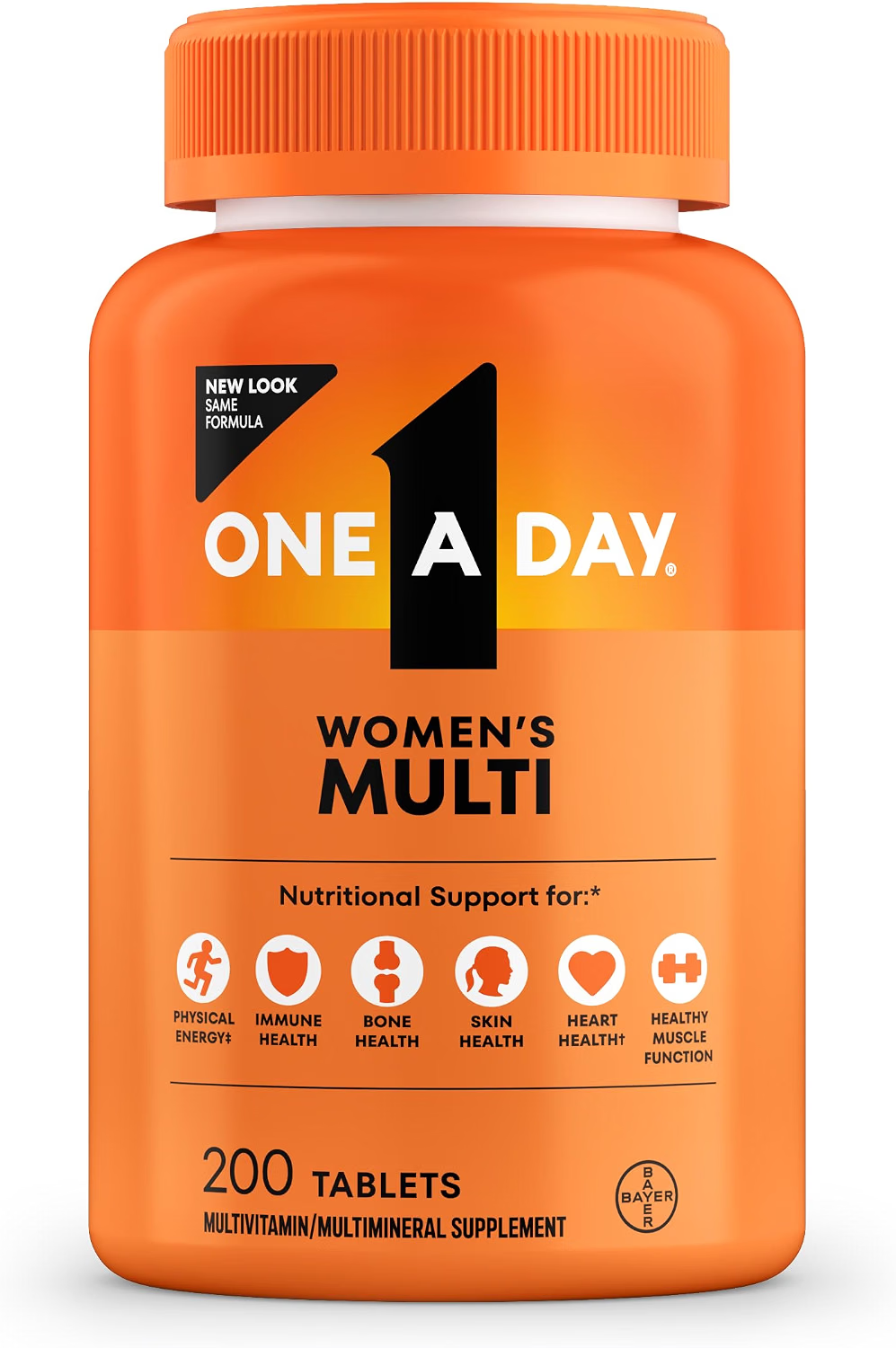
Daily Vitamins for Woman with Biotin, Calcium, Folic Acid, Iron & Zinc, Complete Women’s Vitamins, 200 Ct (Packaging May Vary).
2. Iron Supplements
Iron deserves special attention when discussing women and energy.
Iron is essential for hemoglobin, which helps red blood cells transport oxygen. When iron deficiency develops, fatigue and weakness can occur.
Women with heavy menstrual bleeding are among the groups at higher risk of inadequate iron intake.
However, iron is not a supplement that everyone should take automatically.
If you suspect iron deficiency, consider talking with a healthcare professional about appropriate testing before taking high-dose iron.
High supplemental doses can cause gastrointestinal side effects, including nausea and constipation. The NIH notes that doses of 45 mg/day or more can cause gastrointestinal effects in some people.
When might iron be relevant?
Iron may deserve attention if you:
- Have heavy periods
- Follow a diet low in iron-rich foods
- Have previously been diagnosed with iron deficiency
- Have certain gastrointestinal conditions
- Frequently donate blood
For women with normal iron status, more iron is not necessarily better.
Shop Iron Supplements on Amazon
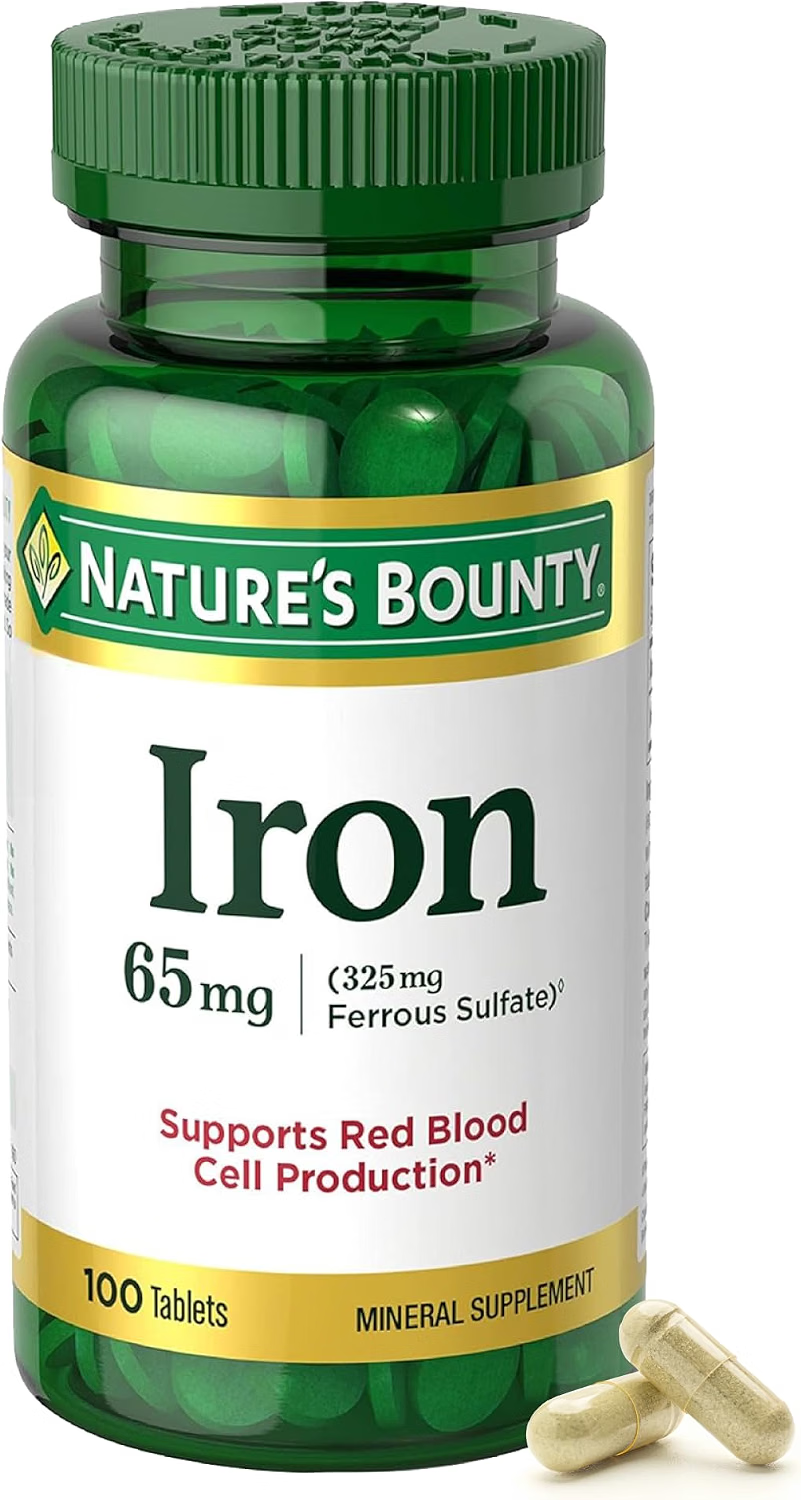
Cellular Energy Support, Promotes Normal Red Blood Cell Production, 1 Serving Per Day, Gluten Free, 100 Vegetarian Tablets
Visit the Nature’s Bounty Store.
3. Vitamin B12
Vitamin B12 is another popular ingredient in energy supplements.
B12 participates in normal cellular metabolism and helps keep blood and nerve cells healthy. It is particularly relevant for people who consume little or no animal-derived food because naturally occurring B12 is mainly found in animal foods.
However, an important distinction is often missed in supplement marketing:
B12 does not necessarily make healthy people more energetic when they already have adequate B12 levels.
According to the NIH, B12 supplementation does not appear to improve athletic performance or endurance in people who already have sufficient B12 status.
Therefore, B12 makes the most sense when dietary intake or absorption is inadequate.
Who may need extra attention to B12?
Potentially higher-risk groups include:
- Vegans
- Some vegetarians
- Older adults
- People with certain gastrointestinal conditions
- People taking medications that can affect B12 status
People taking medications such as metformin or certain acid-reducing drugs may want to discuss B12 status with a healthcare professional.
Shop Vitamin B12 Supplements on Amazon
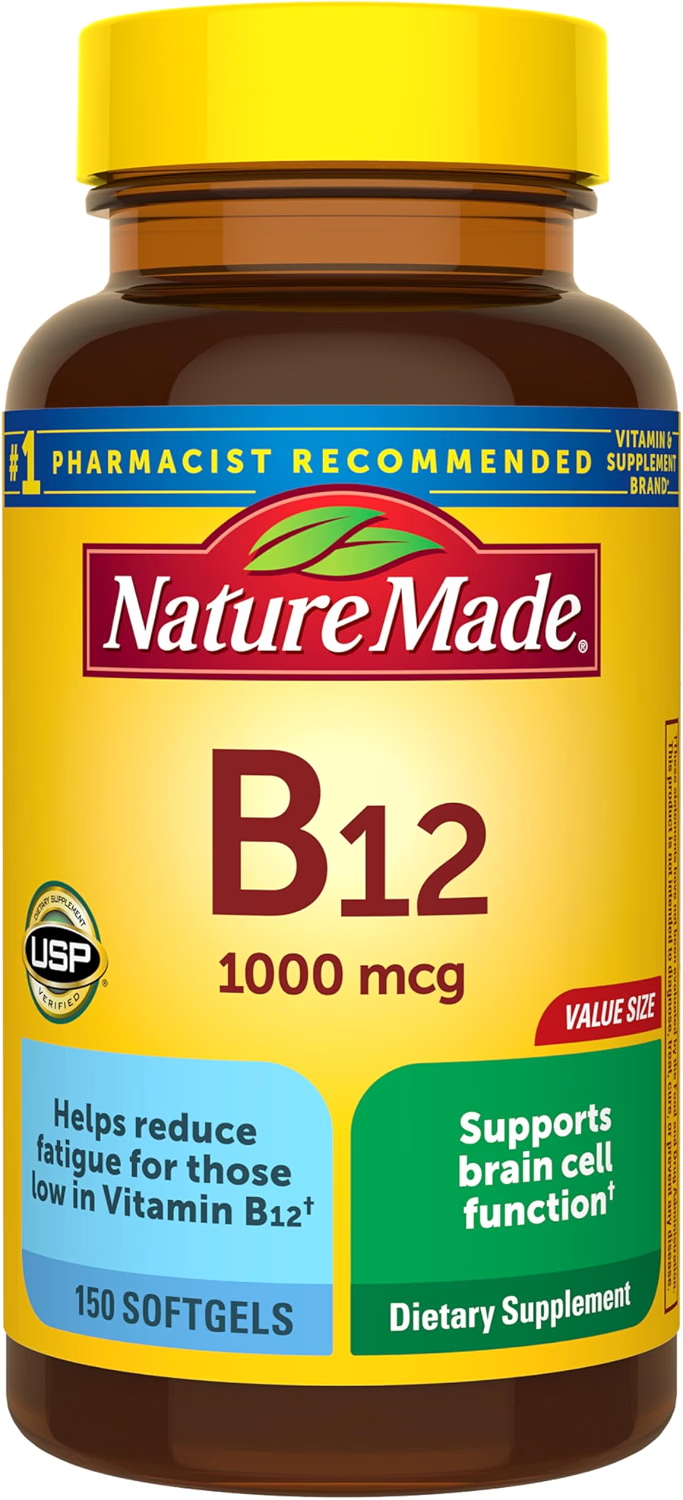
150 Softgels
B12 Vitamins 1000 mcg, Energy Metabolism Support Supplement for Women and Men, Gluten Free, 150 Day Supply
4. Magnesium
Magnesium is one of the most interesting nutrients for an energy-focused supplement routine.
The mineral participates in hundreds of biochemical reactions. It is required for energy production and also contributes to normal nerve and muscle function.
Magnesium can be found naturally in:
- Nuts
- Seeds
- Beans
- Whole grains
- Leafy green vegetables
- Fortified foods
For adult women, the recommended dietary amount is generally around 310–320 mg per day, depending on life stage.
What type of magnesium should you choose?
Common supplemental forms include:
- Magnesium glycinate
- Magnesium citrate
- Magnesium chloride
- Magnesium oxide
The absorption of different forms varies. The NIH notes that citrate, aspartate, lactate, and chloride tend to have higher bioavailability than magnesium oxide and magnesium sulfate.
Option to consider
One popular category is magnesium glycinate, including products from brands such as Solgar and Pure Encapsulations. Amazon’s magnesium category currently includes multiple highly purchased magnesium glycinate products.
Shop Magnesium Supplements on Amazon
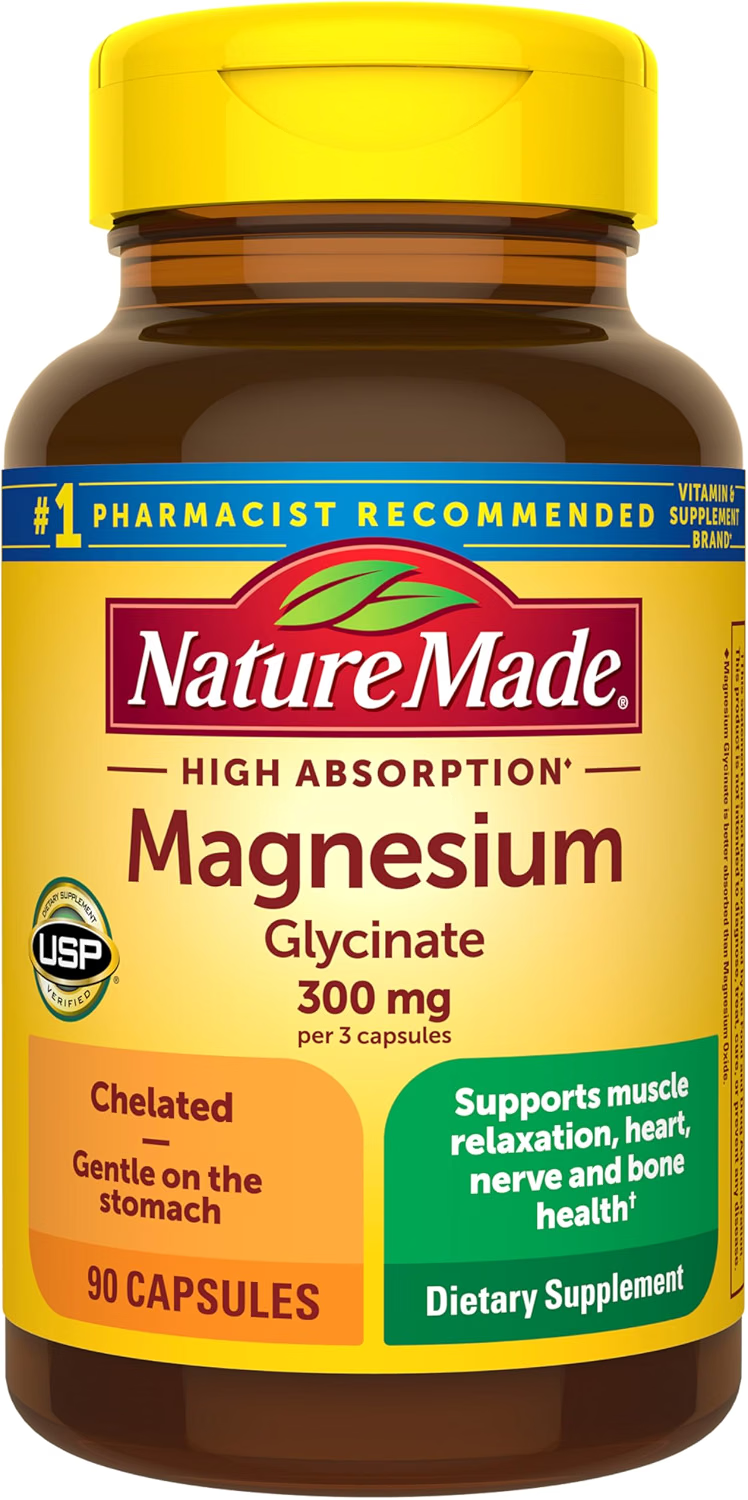
High Absorption Magnesium Supplement for Muscle, Heart and Bone Support, Magnesium Bisglycinate Capsules, 30 Day Supply
Visit the Nature Made Store
Remember that supplemental magnesium has an adult upper limit of 350 mg per day from supplements and medications, separate from magnesium naturally consumed through food, unless a healthcare professional recommends otherwise.
5. B-Complex Vitamins
B-complex supplements combine several B vitamins, commonly including:
- B1
- B2
- B3
- B5
- B6
- B7
- B9
- B12
These vitamins participate in metabolic processes that help the body use carbohydrates, fats, and proteins.
But B-complex supplements should not be thought of as stimulants.
If someone is already getting enough B vitamins, taking extremely high doses is unlikely to produce unlimited energy.
Instead, B-complex products may be more relevant when dietary intake is inadequate or when someone has an increased nutritional need.
What should you check?
Look at the Supplement Facts label instead of simply choosing the product with the largest numbers.
More is not automatically better.
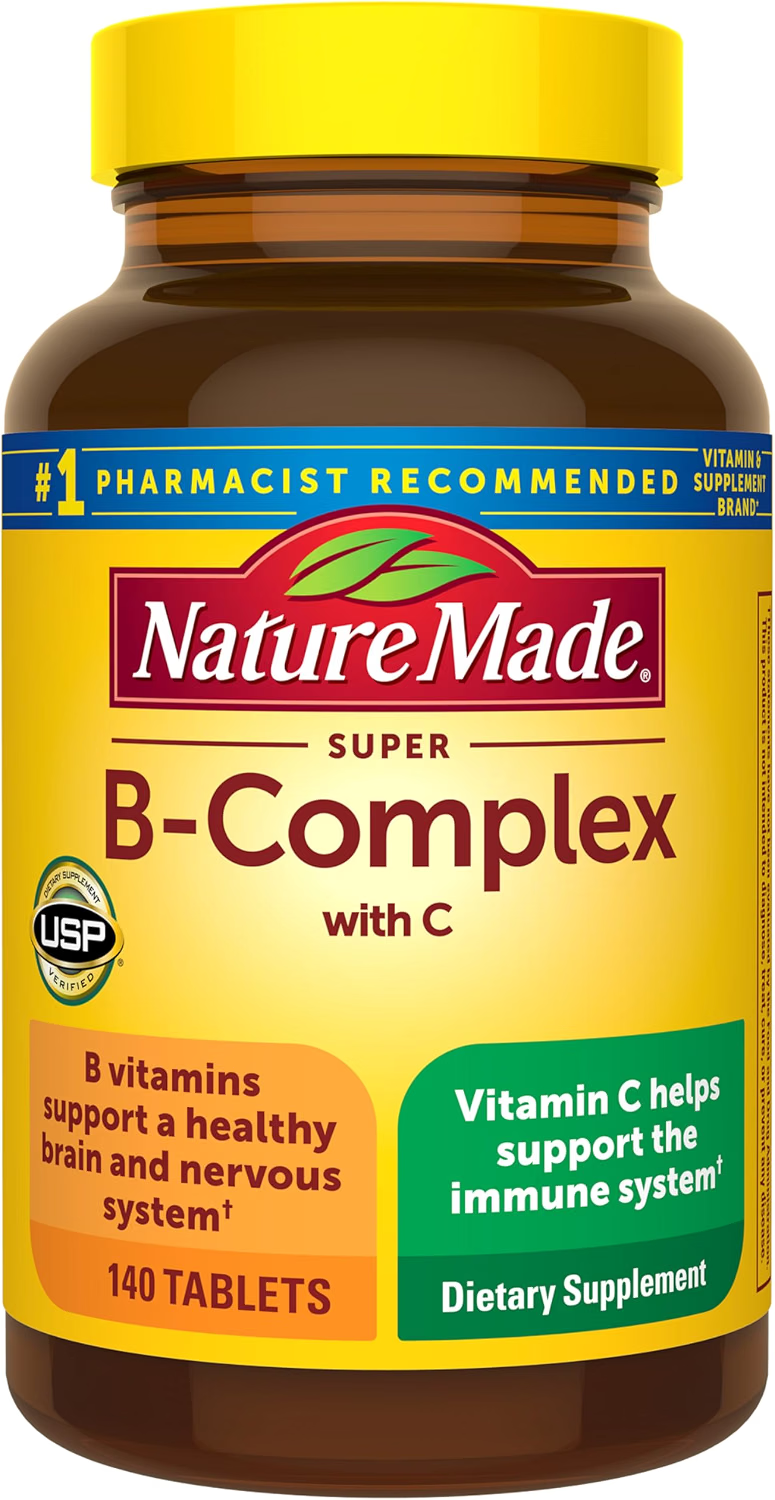
B Complex Vitamins for Women and Men, Dietary Supplement for Immune Support, Gluten Free, 140 Day Supply.
6. CoQ10 Supplements
Coenzyme Q10, commonly called CoQ10, is involved in mitochondrial energy production.
Because mitochondria help convert nutrients into usable cellular energy, CoQ10 has become a popular ingredient in products marketed toward energy and healthy aging.
However, evidence for CoQ10 varies depending on the health outcome being studied.
That means it is better to view CoQ10 as a cellular-energy-support ingredient rather than an instant energy booster.
If you are considering CoQ10, check the amount per serving, formulation, and third-party testing.
People taking medications should also check for potential interactions with a pharmacist or healthcare professional.
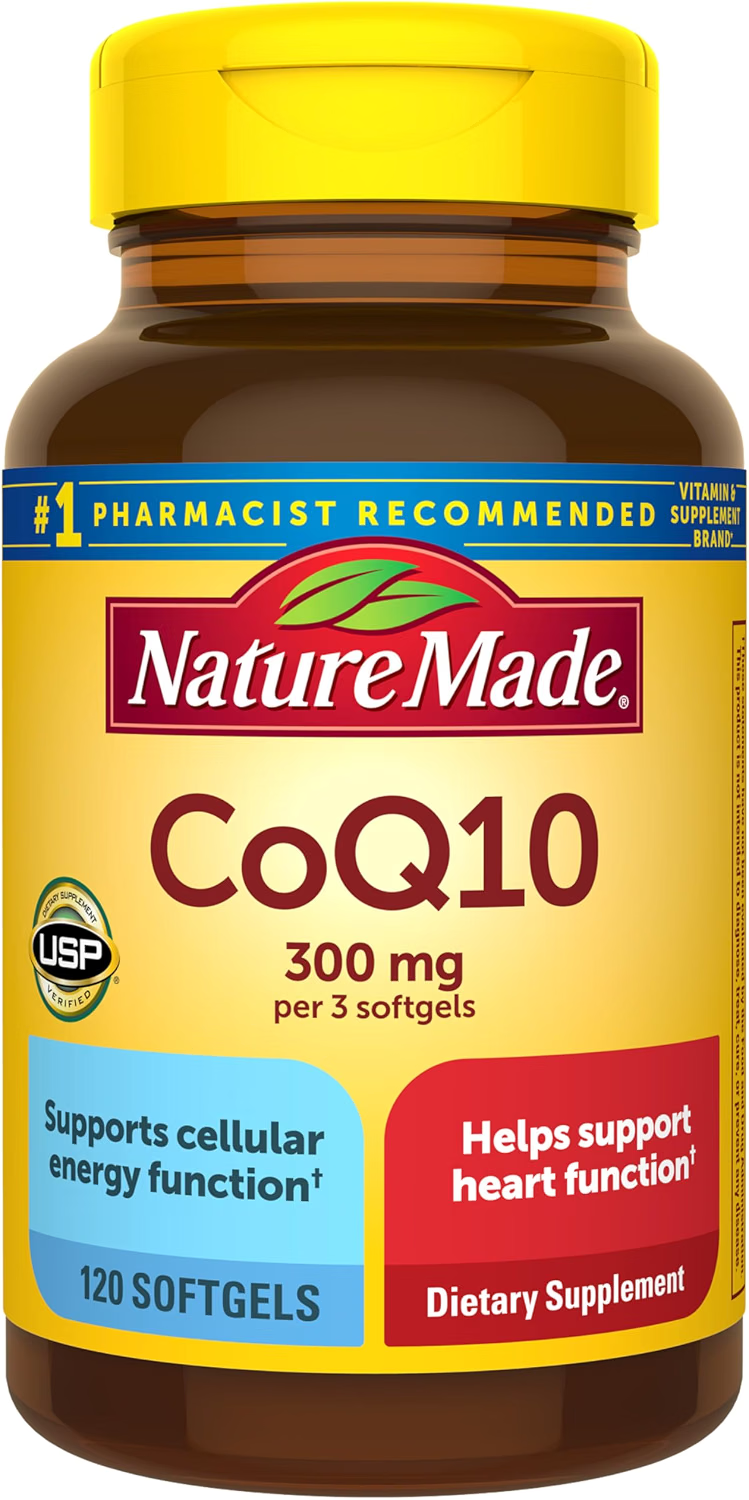
Co Q 10 Supplement for Women and Men, Dietary Supplement that Provides Antioxidant Support, 40 Day Supply
7. Caffeine-Based Energy Supplements
Caffeine is different from vitamins and minerals because it acts as a stimulant.
It can temporarily increase alertness and reduce feelings of tiredness.
Coffee and tea are common sources, but caffeine can also appear in:
- Pre-workout supplements
- Energy drinks
- Energy capsules
- Green tea extracts
- Guarana
- Yerba mate
The challenge is avoiding excessive intake.
The NIH notes that caffeine from botanical sources may be difficult to identify because some products do not clearly state the total caffeine contributed by each botanical ingredient.
Be careful with stimulant combinations
Avoid stacking multiple stimulant products without knowing the total caffeine content.
Too much caffeine can contribute to:
- Jitters
- Nervousness
- Headaches
- Rapid heartbeat
- Sleep problems
For this reason, caffeine supplements require more caution than a basic multivitamin.
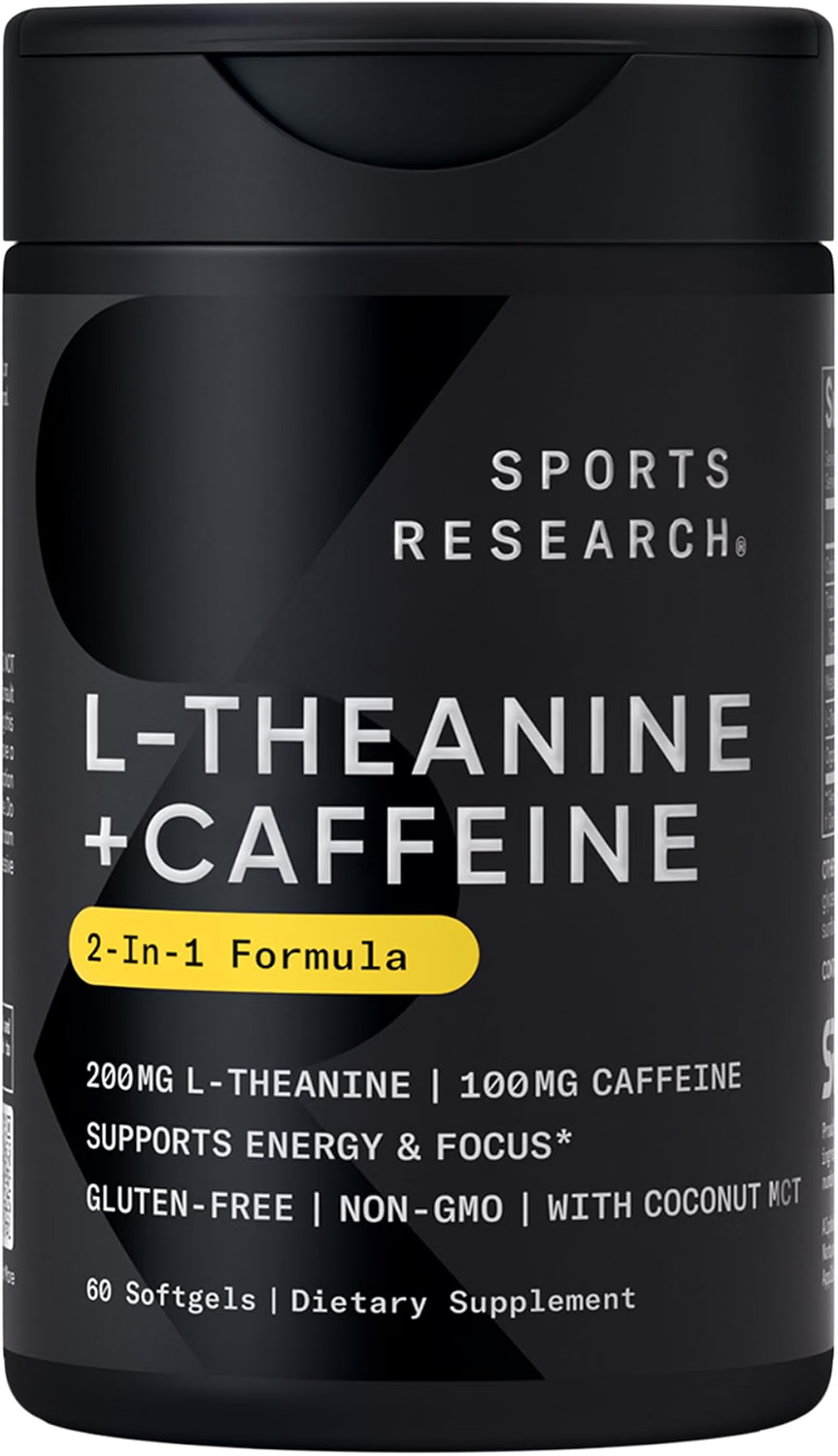
Double Strength L-Theanine 200mg & Organic Caffeine 100mg w/Coconut MCT Oil for Focused Energy – 60 Servings
How to Choose the Best Energy Supplement
When deciding on an energy supplement, start by figuring out why you’re feeling tired.
Instead of asking:
What is the strongest energy supplement?The best women’s energy supplement isn’t always the one with the most ingredients or the highest dose.
For many women, the better approach is to start by figuring out what might be missing.
Magnesium helps the body create energy and makes sure muscles and nerves work the way they should. B12 is necessary for the body to function correctly and is especially important when you’re not getting enough from your food or your body can’t absorb it properly. Iron is very important for women, especially those who might not get enough of it, like women who have heavy periods. Meanwhile, multivitamins can help fill in some of the nutrition gaps when you’re not getting enough of certain vitamins and minerals from food alone.
Talk to a healthcare professional before taking high-dose supplements, especially iron, if you are pregnant, nursing, on any medications, or have a medical condition.
ask:
What kind of missing nutrients might be causing my low energy?
Here are several factors to consider.
Check Your Diet First
Food should generally provide most of your nutritional needs.
Foods containing iron, B vitamins, magnesium, protein, healthy fats, fruits, vegetables, and whole grains can support normal energy metabolism.
Supplements can complement a healthy diet, but they should not become a substitute for balanced nutrition. The NIH recommends meeting nutritional needs primarily through food, with supplements used when appropriate.
Consider Your Sleep
A supplement cannot compensate for consistently inadequate sleep.
If you regularly sleep too little, improving your sleep routine may have a much larger effect on daytime energy than adding another supplement.
Look at the Ingredient List
Avoid choosing products based only on phrases such as:
- “Extreme energy”
- “Maximum power”
- “Instant vitality”
- “Fat-burning energy”
Instead, check the actual ingredients and quantities.
Consider Third-Party Testing
Independent testing can provide additional information about product identity and purity.
The NIH notes that dietary supplements are not required to be tested for safety and effectiveness before being marketed in the United States, so evidence and product quality can vary.
Best Energy Supplement by Need
| Goal | Ingredient to Consider | Important Note |
| Nutritional gaps | Women’s multivitamin | Choose an appropriate formula |
| Possible iron deficiency | Iron | Discuss testing with a professional |
| Low B12 intake | Vitamin B12 | Particularly relevant for some vegans |
| Magnesium intake | Magnesium | Check supplemental dose |
| General B-vitamin support | B-complex | More is not always better |
| Cellular energy interest | CoQ10 | Evidence varies by outcome |
| Short-term alertness | Caffeine | Monitor total daily intake |
This table is a starting point rather than a recommendation for a specific medical condition.
When Fatigue May Need Medical Attention
Not every time someone feels low on energy is because they’re missing a vitamin.
You can feel very tired for many reasons.This could be because you aren’t getting enough sleep, you’re stressed, you’re not eating enough, you have anemia, certain medicines are making you tired, your thyroid is not working right, you have an infection, or another health problem.
If you’re feeling very tired all the time, the tiredness doesn’t go away, you don’t know why you’re tired, or you’re having other problems along with it, you should talk to a doctor instead of just taking more supplements.
This is especially important before using a lot of iron or mixing different stimulant products.
Frequently Asked Questions
What is the best supplement for women’s energy?
There is no single best supplement for every woman. A multivitamin, B12, iron, magnesium, or another product may be appropriate depending on diet and nutritional status.
Does B12 give you energy?
B12 is involved in normal metabolism, but supplementation does not appear to improve performance or endurance in people who already have sufficient B12 levels.
Is magnesium good for energy?
Magnesium is required for energy production and supports normal muscle and nerve function. However, taking more magnesium does not necessarily increase energy if your intake is already adequate.
Should women take iron for fatigue?
Not automatically. Iron deficiency can cause fatigue, and women with heavy periods are among those at increased risk. However, unnecessary high-dose iron can cause side effects, so testing and professional guidance can be appropriate.
Can caffeine supplements replace sleep?
No. Caffeine can temporarily increase alertness, but it does not replace adequate sleep.
Final Thoughts
The best women’s energy supplement isn’t always the one with the most ingredients or the highest dose.
For many women, the better way is to figure out what might be missing first.
Magnesium helps the body make energy and keeps muscles and nerves working properly. B12 is important for the body to work properly and is especially important when you’re not getting enough from your food or your body isn’t absorbing it well. Iron is especially important for women who may not get enough of it, especially those who have heavy periods. Meanwhile, multivitamins can help cover some nutrition needs when food alone doesn’t give you enough of certain vitamins and minerals.
When buying through an affiliate link, look at the Supplement Facts panel, serving size, how ingredients are listed, testing details, and the total price instead of just believing the advertising claims.
If you still feel tired even after getting enough sleep, eating well, drinking enough water, and staying active, it’s better to look for the real reason behind your tiredness rather than just taking more supplements.
Talk to a doctor before taking high-dose supplements, especially iron, or if you are pregnant, nursing, on medication, or have a health condition.